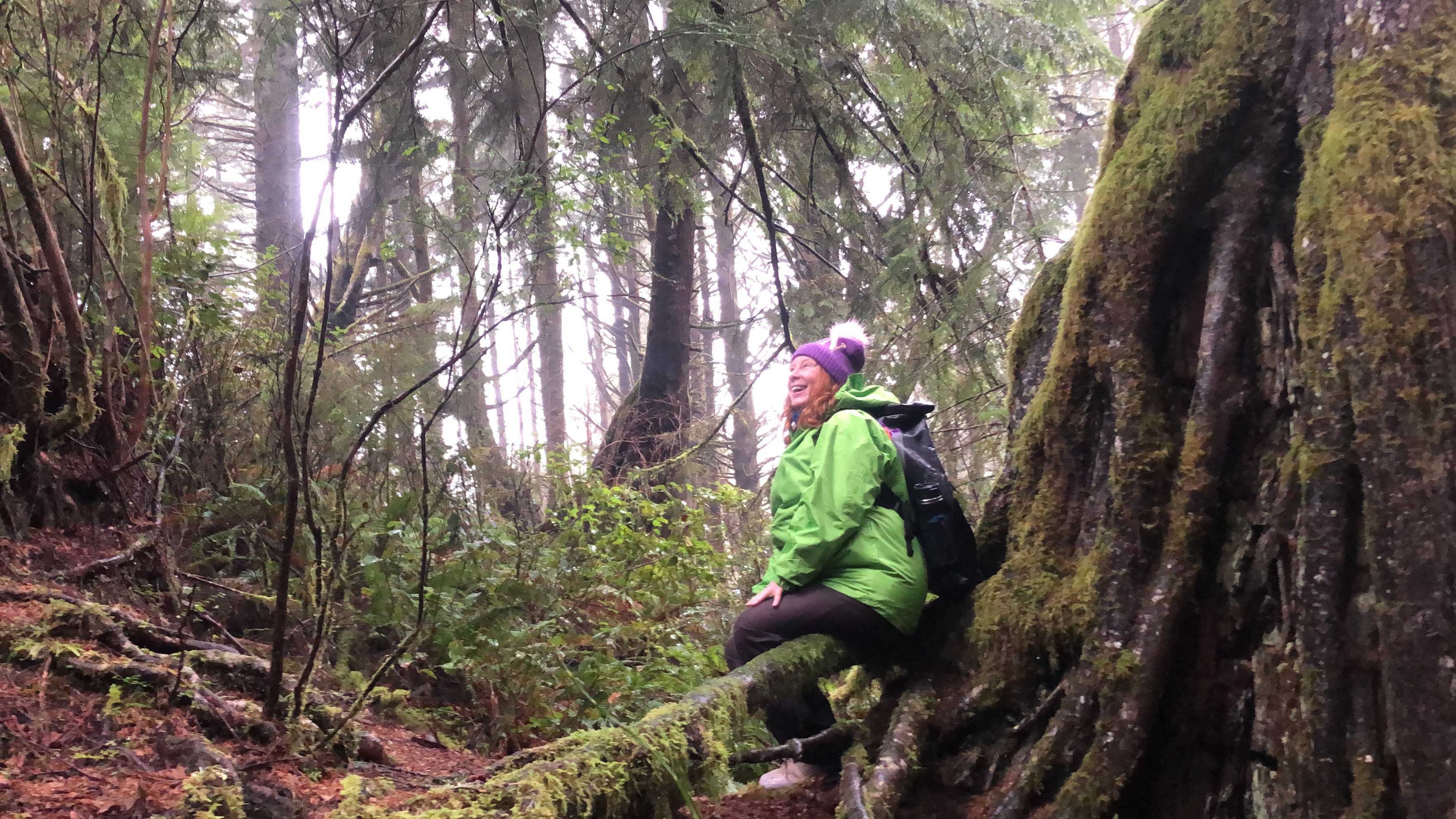
Strong academics. A joyful childhood. Plenty to be curious about.
Recess Outdoor Adventure School is an outdoor-centered preschool and elementary school on the Oregon Coast where children learn through strong academics, hands-on experiences, nature, science, play, and meaningful connections with their community.
Our approach wasn’t built around one specific educational model. It grew from more than two decades of experience working with children in classrooms, wildlife refuges, marine science centers, aquariums, forests, beaches, colleges, and communities throughout Oregon and beyond.
Recess grew from all of it.
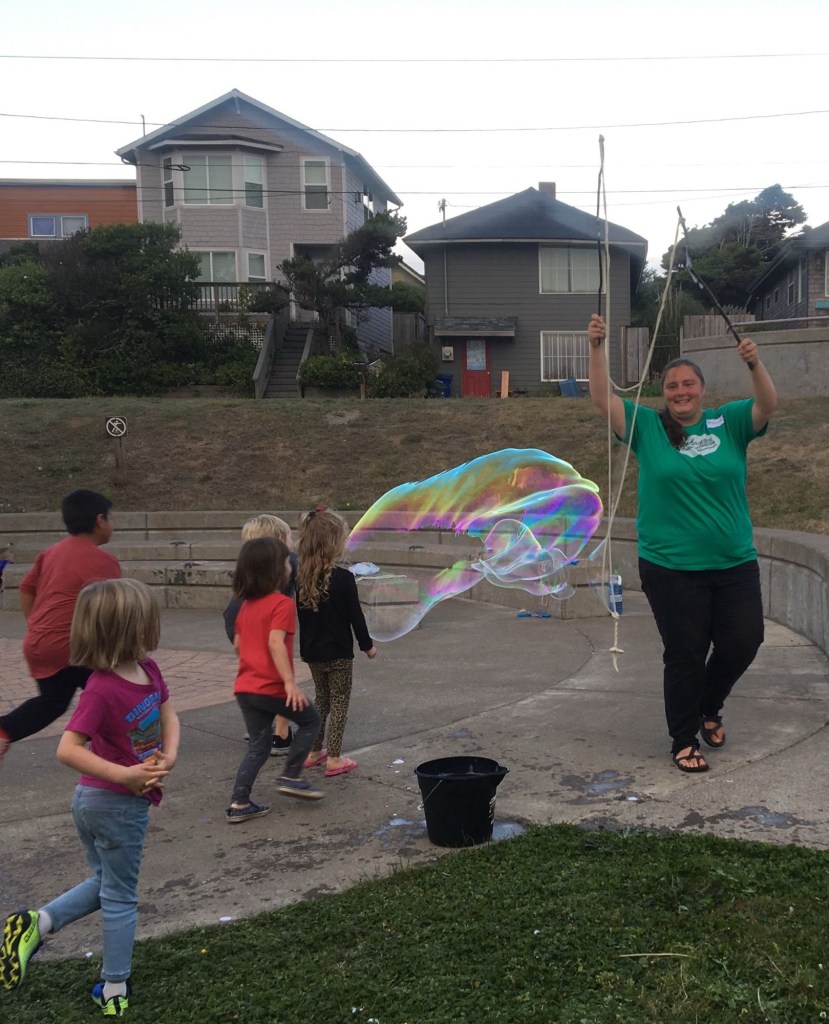
The Origin of Recess
Recess Outdoor Adventure School didn’t begin with a business plan.
It began years earlier — in classrooms, wildlife refuges, marine science centers, aquariums, forests, and in all the small moments when I watched curiosity change the way a child learned.
Learning From 21 Classrooms
Early in my career, I served with AmeriCorps through the U.S. Fish & Wildlife Service, bringing environmental education into schools along the Oregon Coast.
During that year, I taught approximately 700 students in 21 different classrooms across Lincoln and Coos counties.
That meant I wasn’t only meeting hundreds of children. I was also getting to see 21 different classrooms and 21 different teachers — each with their own routines, strengths, teaching styles, personalities, and ways of connecting with students.
Every classroom was different.
Some children jumped immediately into an activity. Others wanted to watch first. Some groups came alive through conversation. Others needed to move, build, touch, investigate, or head outside before the learning really clicked.
Without realizing it at the time, I was getting an incredible education in just how many different ways good teaching — and good learning — can look.
Learning Beyond the Classroom
My work with the U.S. Fish & Wildlife Service stretched far beyond classroom lessons.
I helped edit interpretive signage for Nestucca Bay National Wildlife Refuge, led service projects and field experiences with students, worked with students from Jane Goodall Environmental Middle School, created a hands-on educational game, and led kayak tours.
Those experiences began shaping an idea I would return to again and again:
Learning can be designed into a place.
A trail sign can spark a question.
A game can make complicated science understandable.
A service project can help a young person feel connected to the place where they live.
And a kayak trip can turn an ecosystem from something a child reads about into something alive all around them.
I began to understand the difference between simply telling someone about something and giving them an opportunity to experience it for themselves.
Inviting People Into Science
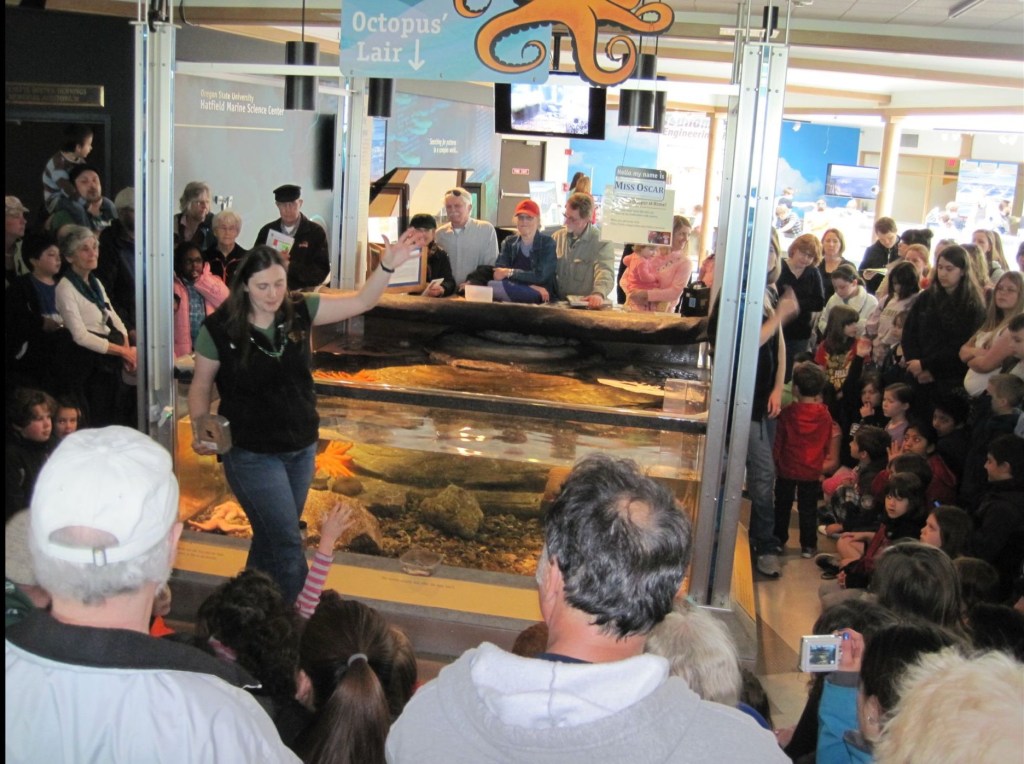
My next chapter took me to Oregon Sea Grant at Hatfield Marine Science Center, where I led marine science classes and taught thousands of visitors in the Visitor Center.
Hatfield also introduced me more deeply to interpretation and exhibit design.
I helped host temporary exhibits and became fascinated by the way people interacted with a learning environment.
What made a family stop?
What made a child lean closer?
What sparked a conversation?
What made someone want to touch, investigate, or ask another question?
And what did people simply walk past?
I began to realize that the environment itself could teach.
Great education wasn’t only about having accurate information. It was also about deciding how someone would encounter that information — through an object, a story, a question, an animal, an exhibit, or an experience that made them want to know more.
Taking Science on the Road
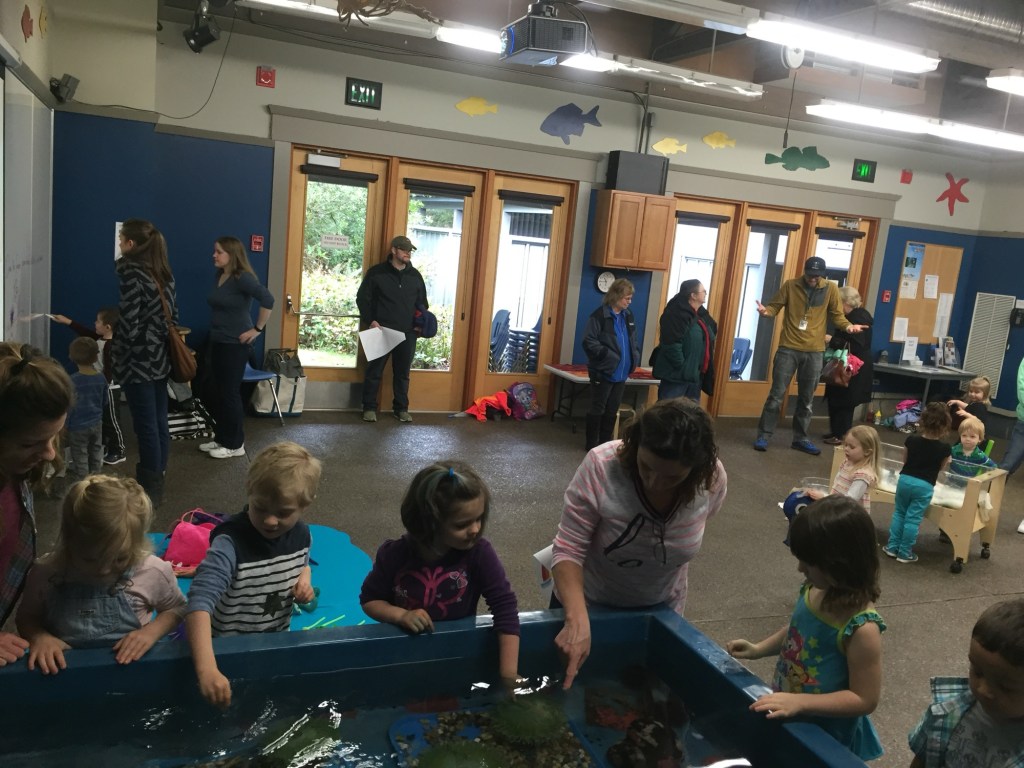
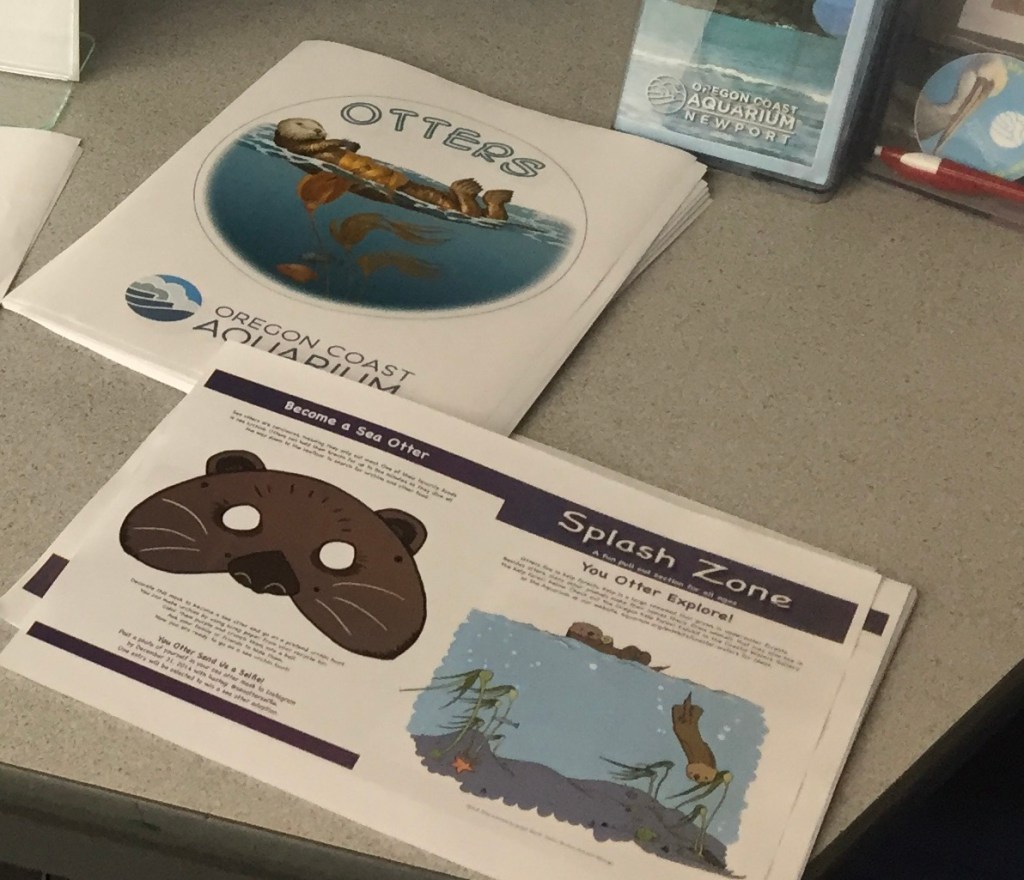
That work continued at the Oregon Coast Aquarium, where my role expanded into curriculum development, school outreach, teacher resources, and volunteer education.
I wrote curriculum for Aquarium classes and visiting-school programs, created teacher guides and volunteer training materials, and spent more than 20 weeks teaching in school districts throughout Oregon and southern Washington.
Once again, I found myself walking into school after school and classroom after classroom.
I got to observe even more teachers, communities, learning environments, and children.
I saw excellent educators approach learning in completely different ways. I saw classrooms with different resources, rhythms, expectations, strengths, and challenges.
And I kept collecting ideas.
A question one teacher asked.
A classroom setup that encouraged independence.
A way another teacher helped a hesitant child participate.
An activity that made an entire room lean closer.
A child who suddenly understood something when they were allowed to touch it, build it, move with it, or see it for themselves.
By then, I wasn’t only thinking about how I could teach something well.
I was learning how to design an experience that another educator could pick up and bring to life with their own students.
When the Classroom Became Part of the Curriculum
While working at the Aquarium, I had the opportunity to attend professional learning at Brookfield Zoo focused on early childhood nature play.
Something clicked.
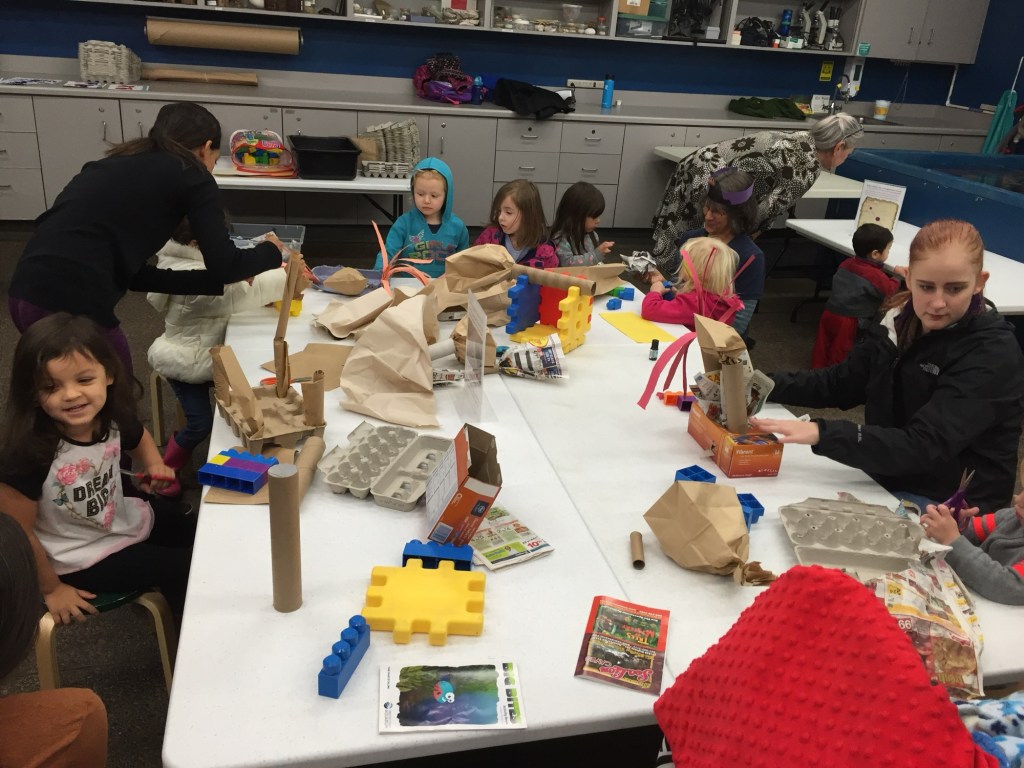
At the time, I was teaching Aquatots, a program for young children and their families. The program had traditionally centered around a story and a featured animal.
After Brookfield, I started asking a different question:
What if children could step into the learning?
Aquatots began to change.
Instead of simply reading a story about an animal, I started transforming the classroom around what we were exploring each month.
Children could pretend, build, investigate, create, move, experiment, explore, and follow their own questions.
The classroom itself became part of the curriculum.
That idea stayed with me for years.
The Idea That Became Recess
Later, I attended a Natural Start professional development conference focused on nature play and early childhood education.
I found myself surrounded by educators thinking deeply about what preschool and childhood could look like when nature, play, curiosity, and meaningful learning weren’t treated as extras.
I came home inspired.
Lori and I started talking.
What if we created something of our own?
A place where children could learn in forests, on beaches, in gardens, in classrooms, and throughout their community.
A place where science could begin with a real animal, an unexpected discovery, or a question a child genuinely wanted answered.
A place where children could read, write, calculate, build, investigate, pretend, climb, create, get muddy, and still be doing serious learning.
A place where curiosity wasn’t something we squeezed in after the academics.
It was how we got to the academics.
Those conversations became Recess Outdoor Adventure School.
Recess Grew From All of It
Looking back, Recess feels less like something we suddenly decided to create and more like something that had been taking shape for years.
The classrooms taught me how differently children learn. The wildlife refuge taught me about stewardship and the power of place. Kayak tours taught me the value of experiencing something firsthand. Hatfield taught me about interpretation, exhibit design, and inviting people into science. The Aquarium helped me hone my curriculum development skills, outreach, teacher support, and how to create learning experiences that could travel beyond my own classroom. Brookfield helped me see how play and thoughtfully designed environments could become part of the curriculum.
And Natural Start helped Lori and me imagine what could happen if we built an entire school around those ideas.
Recess grew from all of it.
Today, those same threads run through everything we do: strong academics, science, storytelling, outdoor exploration, play, thoughtful learning environments, community connections, and plenty of room for children to wonder.
Because after all these years, I still believe one of the most powerful things an educator can do is give a child something worth being curious about.
That is where Recess began.
Professional Background
The experiences that shaped Recess span more than two decades of work in education, environmental and marine science, interpretation, curriculum development, and outdoor learning.
My professional background has included work with organizations including U.S. Fish & Wildlife Service, Oregon Sea Grant at Hatfield Marine Science Center, Oregon Coast Aquarium, Oregon State Parks, U.S. Forest Service, and Lincoln County School District, along with continued professional learning through organizations such as North American Association for Environmental Education, Natural Start Alliance, Brookfield Zoo’s NatureStart program, National Association for Interpretation, and Project Learning Tree.
What Those Experiences Taught Us
Every chapter of the journey added something to the way Recess approaches learning today.
Classrooms taught me to notice the child.
After spending time in so many different classrooms, with different teachers and different learners, I learned there is no single “right” way for a child to learn. Good teaching starts with paying attention to the child in front of you.
Wildlife refuges taught me the power of place.
Learning changes when children can experience something for themselves. A forest, beach, estuary, trail, or community can become part of the curriculum—not simply the setting for it.
Hatfield taught me to invite people into science.
Interpretation and exhibit design taught me to think beyond what information should we teach? and ask, What will make someone stop, wonder, investigate, and want to know more?
The Aquarium taught me how to build learning experiences.
Writing curriculum, teacher guides, outreach programs, and volunteer training taught me how to take a big idea and turn it into an experience that another educator—or an entire classroom—could use.
Brookfield taught me that the environment can teach.
Nature play changed the way I thought about early childhood learning. A classroom doesn’t have to simply hold the lesson. The space itself can invite children to pretend, experiment, build, explore, and discover.
Natural Start helped us imagine something different.
It helped Lori and me see that nature, play, curiosity, and meaningful academics didn’t need to exist in separate parts of a child’s day.
They could become the school.
What This Looks Like at Recess Today
The ideas that shaped Recess are still visible in the way we teach every day.
We believe strong academics and a joyful childhood can exist side by side. Children can build real skills in reading, writing, math, science, communication, and problem-solving while also spending meaningful time outdoors, asking questions, creating, moving, exploring, and connecting with the world around them.
Learning Starts With Curiosity
We pay attention to what makes children lean closer.
A tidepool creature. A salmon returning upstream. A strange seed pod. A visiting musician. A question about electricity. A new country on the map.
Those moments become opportunities to read, write, calculate, investigate, research, create, and talk together.
Curiosity isn’t something we save for after the “real work.”
Curiosity helps us get to the real work.
The World Is Part of Our Classroom
Some learning happens around a table.
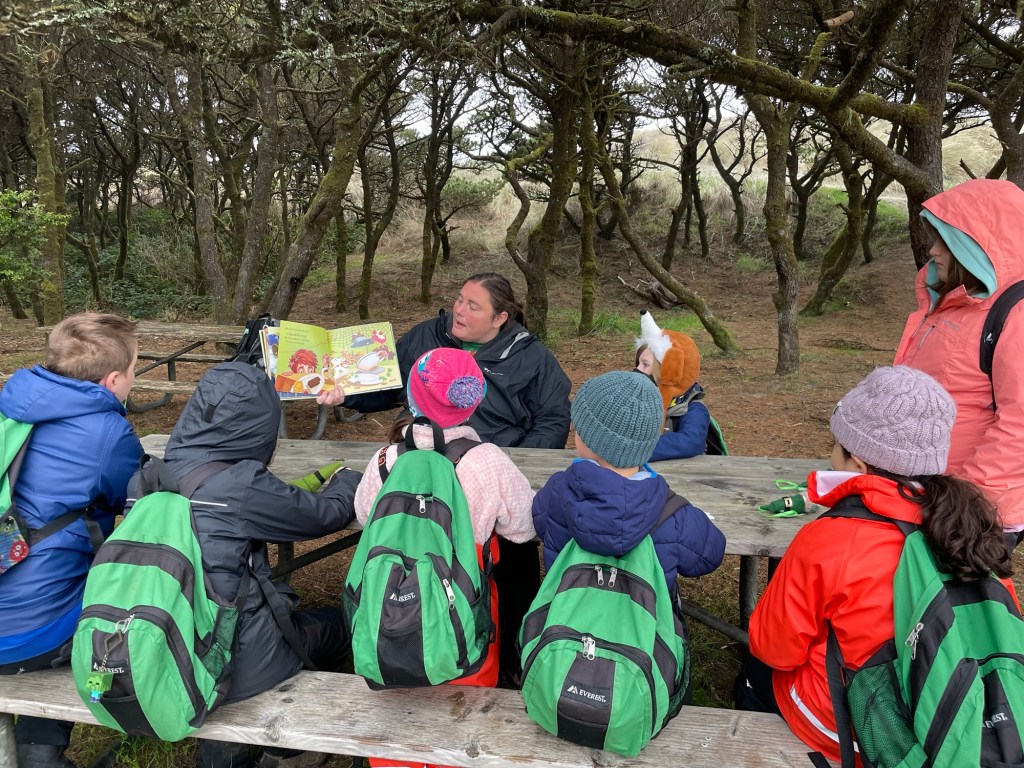
Some happens on a beach, in a forest, beside an estuary, in a garden, at a museum, or while talking with someone who works in our community.
Children learn differently when they can see, touch, experience, and participate in what they are studying.
We want them to understand that learning isn’t something that only happens inside school.
The world is full of things worth knowing.
We Design Experiences, Not Just Lessons
A topic at Recess may show up in books, dramatic play, science investigations, art, writing, sensory materials, building projects, outdoor exploration, and conversations throughout the week.
Sometimes we transform the learning environment itself.
That idea goes all the way back to the early experiences that shaped Recess: children understand more when they have multiple ways to enter the learning.
Children Have a Voice Here
We want children to practice making decisions, sharing ideas, listening to other perspectives, solving problems, and contributing to their community.
That can happen informally throughout the day and more intentionally through opportunities such as Student Council, where children learn how to represent their peers, listen, lead, and make decisions together.
Community Makes Learning Bigger
Some of our best learning begins when we invite someone else into the conversation.
Scientists, musicians, utility workers, animal-care professionals, artists, naturalists, and other community members give children the chance to meet real people doing real work.
Children don’t just learn that careers, science, art, stewardship, and community service exist.
They meet the people doing them.
Childhood Still Matters
Children need challenge.
They also need play.
They need time to move their bodies, be silly, create elaborate games, make friends, climb things, get muddy, tell stories, rest, wonder, and sometimes spend ten minutes examining something tiny they found on the ground.
We take children’s learning seriously.
And we take their childhood seriously, too.
Strong Academics. A Joyful Childhood.
That’s what all of those years of learning, teaching, observing, experimenting, and asking questions eventually became.
Recess.
Meet the People Behind Recess
Recess may have grown from years of experiences and ideas, but what makes it work every day is the relationships we build with children and families.
McKenzie L. Purdom
Director & Lead Elementary Teacher
McKenzie has spent more than 20 years figuring out what makes children lean closer, ask another question, and want to know more.
Her career has taken her from classrooms and wildlife refuges to Hatfield Marine Science Center and the Oregon Coast Aquarium—and eventually to creating Recess Outdoor Adventure School.
Along the way, professional learning through organizations including NAAEE, Brookfield Zoo’s NatureStart program, the National Association for Interpretation, and Natural Start continued shaping the way she thinks about children, curiosity, play, and learning.
McKenzie loves designing experiences that make children want to know more—whether that begins with an animal, a story, a question, a trip to the forest, or something unexpected discovered along the way.
Her favorite question is still:
“What could we do with this?”
Teacher Lori
Lead Preschool Teacher
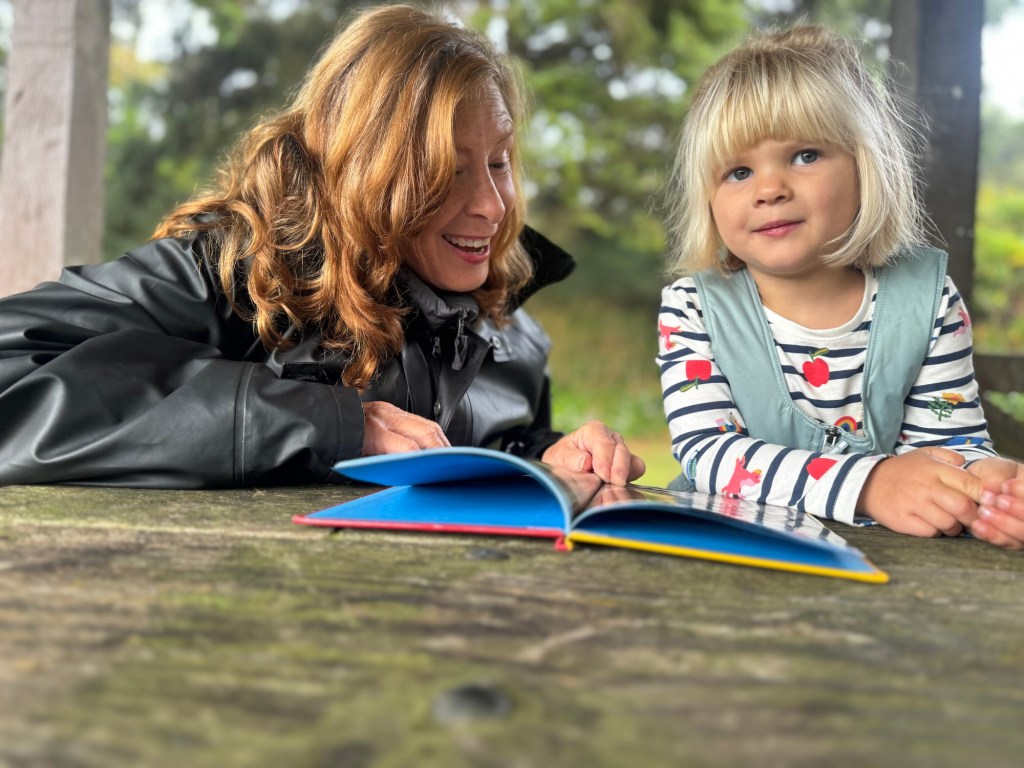
Lori has always had a zest for learning — and for helping other people discover what makes them curious.
Her studies have included elementary education with a focus in psychology, as well as natural resources, and her career has brought together education, nature, interpretation, accessibility, and community service. Over more than 40 years in education, Lori has worked as a marine naturalist and educator, supported people with physical disabilities — particularly individuals who are blind — and developed expertise in interpretation, nature play, and mind-body awareness.
She has also spent decades giving back to her community, serving in board and leadership positions and volunteering with organizations including the Oregon Coast Aquarium, National Federation of the Blind, Metroparks, Marine Reserves, and Audubon.
Originally from the Midwest, Lori grew up playing outdoors among forests and wild spaces. After moving to Oregon, she fell in love with the region’s extraordinary landscapes and diverse ecosystems. Her lifelong relationship with nature — combined with decades of teaching — helped shape a belief that would eventually become central to Recess:
People are most motivated to learn and care about something when they can find a personal connection to it.
Lori especially loves working with young children and helping them discover the things that light them up. She believes that giving children opportunities to become excited about the world around them helps build confidence, enthusiasm, curiosity, and a strong sense of themselves as capable learners.
That philosophy became an important part of the conversations that eventually led Lori and McKenzie to create Recess Outdoor Adventure School.
At Recess today, Lori brings decades of experience alongside an enduring willingness to wonder, explore, and keep learning herself — exactly the kind of curiosity we hope to nurture in every Recess child.
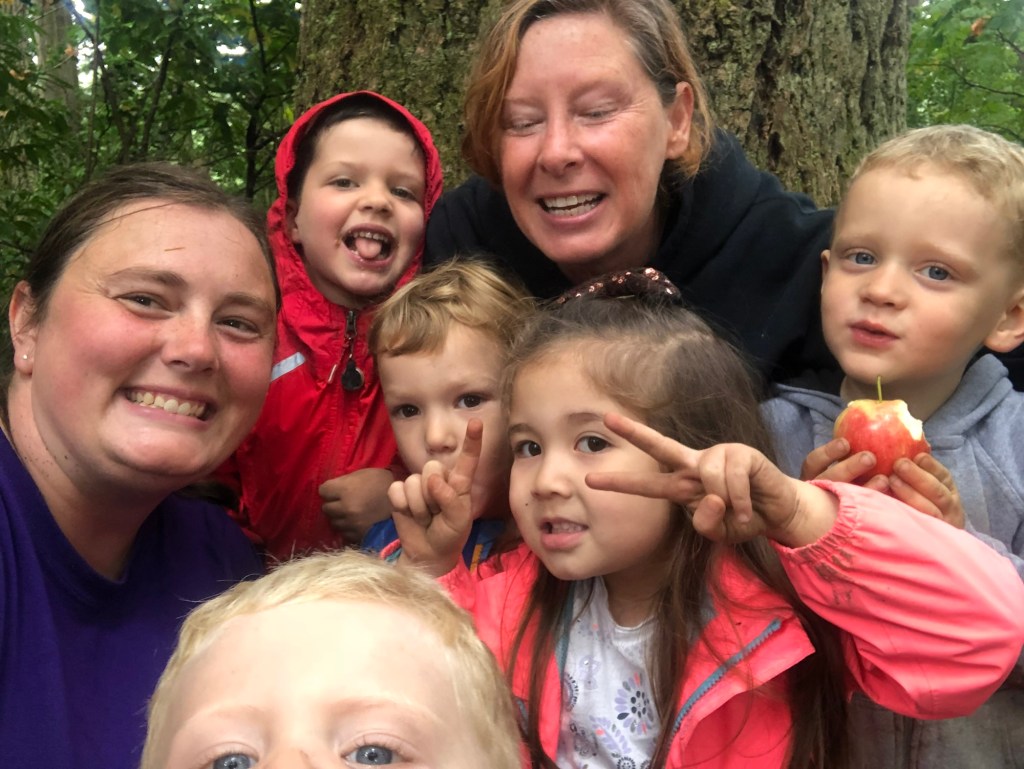
Recess Kept Growing
What began as an idea between McKenzie and Lori continued to grow.
Recess expanded into Newport, giving us new opportunities to bring outdoor learning, academics, and community-based experiences to more children and families.
As the school grew, so did our team. Jillian joined us for the summer, bringing her own energy and strengths to Recess and becoming part of the next chapter of our story.
Each new location, educator, family, and child has helped shape what Recess is today — while the heart of the school has stayed the same:
Stay curious. Learn deeply. Let childhood still feel like childhood.
Jillian
Summer Teacher Assistant
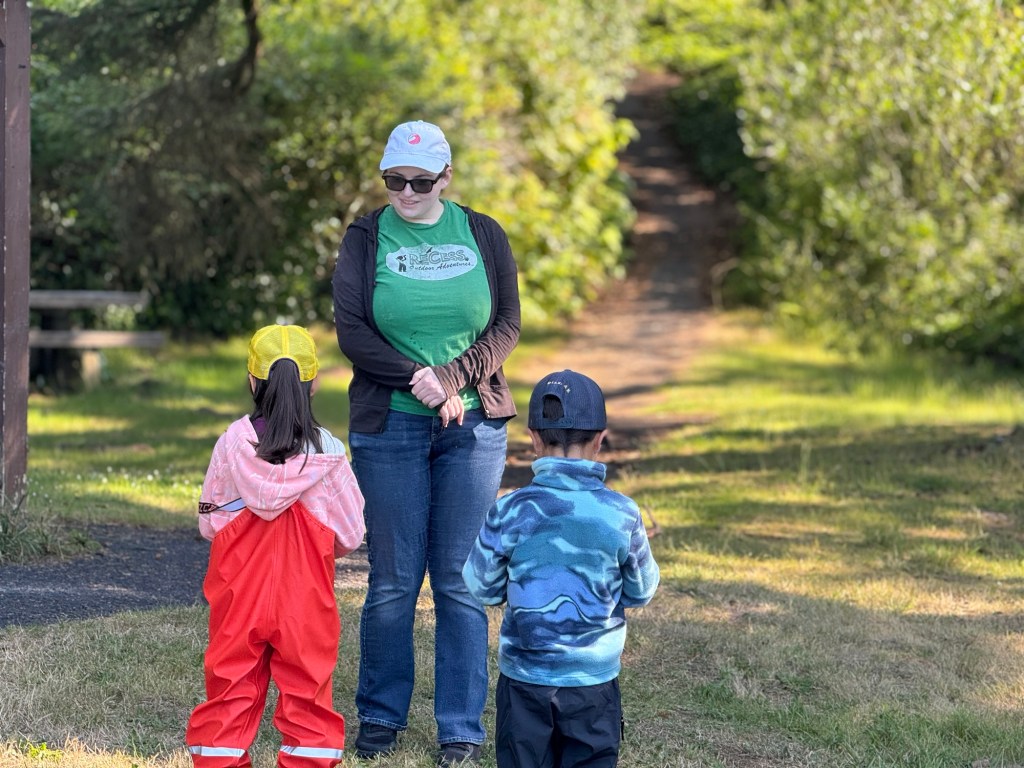
Jillian joined Recess during our summer programming, supporting preschool children through outdoor adventures, hands-on activities, daily routines, play, and all the little transitions that make a busy Recess day run smoothly.
She quickly became part of the rhythm of the program — helping children feel comfortable, stay safe, try new things, and enjoy plenty of time outside.
Her arrival also marked another chapter in Recess’s growth: as our programs expanded, so did the team of people helping bring them to life.
Jillian became part of the Recess story during a summer full of play, exploration, and adventure.
Come See Recess
Recess makes the most sense when you see it in action — children exploring, asking questions, working together, building skills, and having the freedom to still be kids.
If you’re wondering whether Recess might be a good fit for your child, we’d love to meet your family and show you around.
Come see what learning looks like at Recess.
[Schedule a Visit]
[Explore Our Programs]